
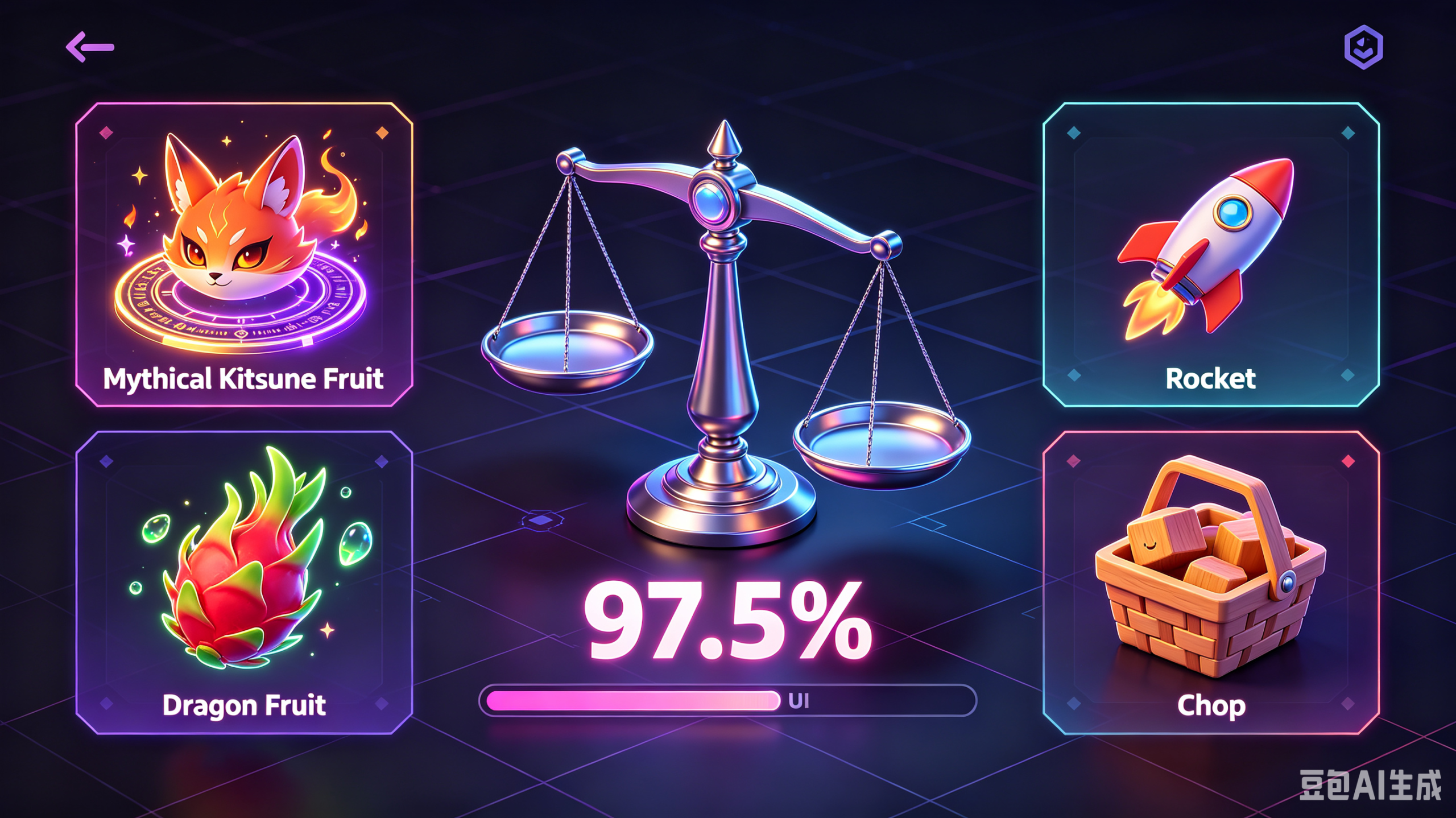
How to Use a Blox Fruit Calculator to Avoid Bad Trades: The Ultimate 2026 Guide

Trading is where a lot of Roblox players either build a legendary inventory… or get completely rinsed. In the hyper-active economy of Blox Fruits, the difference between walking away with a massive Win (W) or a devastating Loss (L) usually comes down to one tool: a reliable Blox Fruit Calculator.
Many beginner and intermediate traders lose their hard-earned Mythical fruits because they trust the in-game Beli price or falling for psychological pressure. This guide breaks down the exact strategies professional traders use to cross-check market values and ensure every trade is a fair deal.
The Golden Rule: In-Game Price ≠ Trade Value
The biggest mistake players make is looking at the shop price (Beli value) shown at the bottom of the in-game trading menu.
For example, a fruit might cost $3,000,000 Beli to buy from the stock dealer, but its actual Trade Value in the community could be well over $50,000,000 or even $100,000,000+ (like the legendary Kitsune or Dragon). Conversely, some high-cost fruits have terrible PvP or grinding utility, making their market demand significantly lower than their store price.
A Blox Fruit Calculator solves this by pulling real-time, community-verified trade values based on actual market supply, liquidity, and seasonal hype.
Step-by-Step: How to Analyze a Trade Using the Calculator
Before you hit that green “Accept” button, keep your browser open to the calculator and follow this exact sequence:
1. Input Your Offering Side
Add the exact fruits, gamepasses, or permanent fruits you are preparing to give away into the “Your Side” box. The calculator will instantly sum up their combined community trade value.
2. Input Their Received Side
Add what the opponent is offering. The calculator will display their side’s total value alongside a real-time Demand Rating (High, Medium, Low).
3. Check the W/F/L Balance Indicator
Our system automatically measures the percentage gap between the two offers:
- Win (W): The value you are receiving is higher than what you are giving up (usually by 5% or more).
- Fair (F): The values are tightly balanced within a safe 5% margin.
- Loss (L): You are overpaying. The calculator will flag this in red.
3 Pro-Trading Schemes to Spot (and How the Calculator Exposes Them)
Scammers and aggressive flippers use clever tricks to make a bad trade look appealing. Here is how to use data to stop them:
Trick 1: The “Trash Bundle” Filler
A player might offer you one decent Legendary fruit and fill the remaining 3 slots with low-demand fruits (like Gravity or Pain) to make the trade “look full.”
- The Fix: When you type this bundle into the calculator, you’ll immediately see that the total value barely moves. Low-demand fruits act as dead weight in your inventory and are incredibly hard to flip later.
Trick 2: Bypassing the 40% Trade Value Limit
The game locks trades if the Beli value difference exceeds 40%. Aggressive traders will force you to add valuable “adds” just to balance the Beli bar, even though you are already overpaying in market value.
- The Fix: Use the calculator to find high-demand, low-Beli value fruits (like Buddha or Portal) to bridge the in-game gap without draining your true market capital.
Trick 3: Permanent Fruits Under-valuation
Permanent fruits (Perms) carry a premium value that is vastly higher than their physical, one-time-use versions because they cost real Robux.
- The Fix: Never trade a Perm fruit 1:1 for its physical counterpart. Check the dedicated “Permanent” section on our calculator to see how many physical Mythicals (e.g., 4x Leopards or multiple Kitsunes) are actually required to match a single Perm’s worth.
Summary Checklist for Safe Trading
The Master Trader’s Rule of Discernment
Before closing any multi-window deal in the Third Sea, cross-verify your offering capital against these three absolute market rules:
- Never rush: If someone says “Accept now or I leave,” they are trying to prevent you from checking a value list. Walk away.
- Value over Rarity: Mythical tags look cool, but a high-demand Legendary (like Buddha) can often fetch a better tactical return than a low-demand Mythical.
- Keep It Cached: Keep our live value tracker open on a second screen or phone during active trading hub sessions.
By grounding your decisions in real data rather than trading hype, you protect your months of grinding and ensure your inventory only goes one way: up.
Written by Vance Leo, Senior Gaming & Economy Analyst.
