
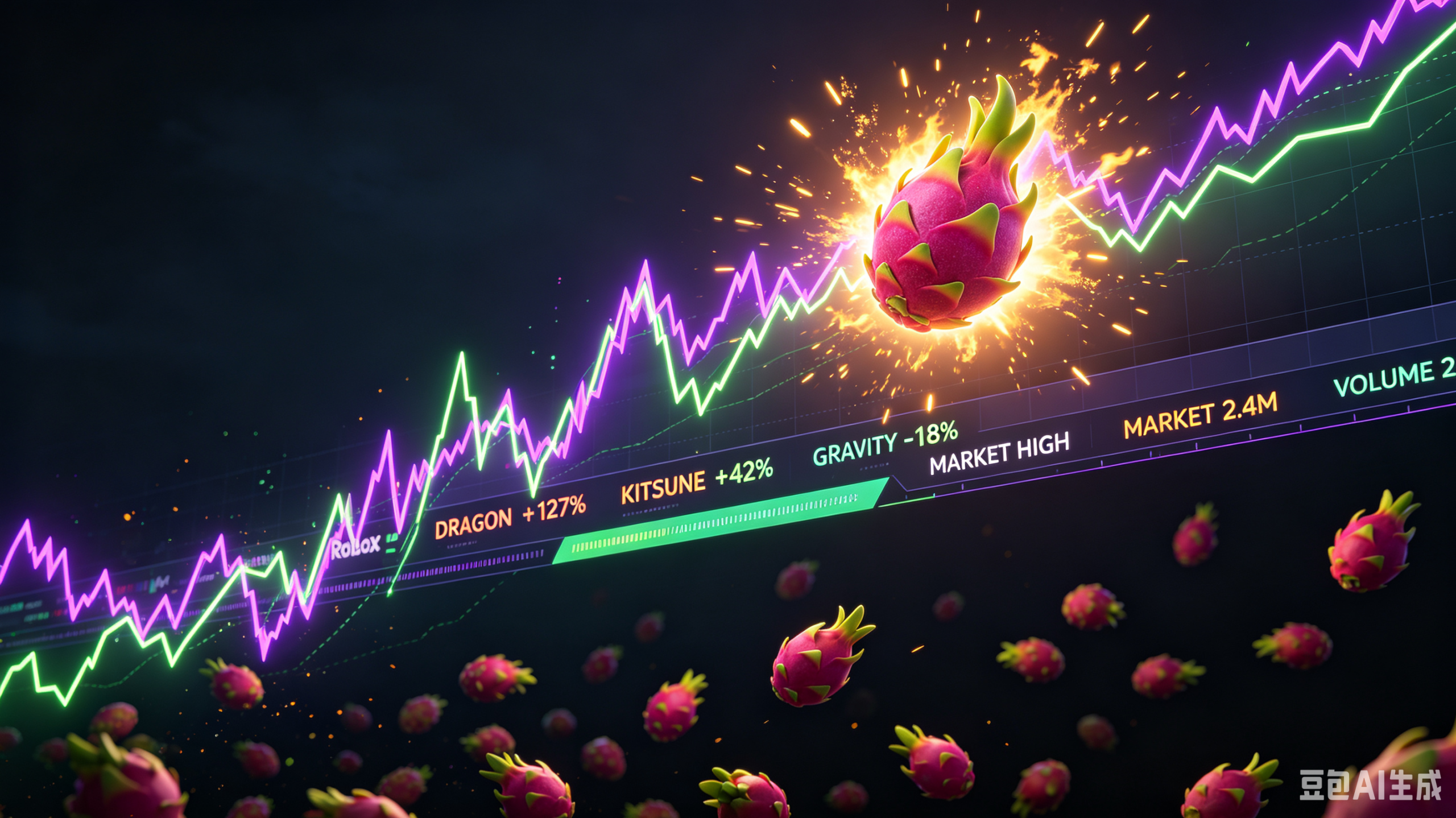
The Future of Blox Fruits Economy: Speculation, Inflation, and Re-balances

If you think the market value of a fruit stays the same forever, you are begging to get left behind. The player economy in Blox Fruits isn’t static; it behaves exactly like a real-world tech stock exchange. A single tweet from a developer showing a 5-second combat animation teaser can cause a fruit’s market value to double within three hours.
Conversely, the second a long-awaited update finally drops, a massive “sell-off” begins, causing overhyped assets to crash harder than a bad crypto coin.
To protect your inventory net worth over months of updates, you have to stop looking at what a fruit is doing today and start calculating where the entire meta is moving tomorrow. Here is how macroeconomics, speculation bubbles, and developer re-balances shape the future of your inventory value.
The Speculation Cycle: Riding the Rework Wave
The biggest driver of wealth inside the Second and Third Seas is Rework Speculation. When developers announce that an old, outdated fruit is getting a complete visual and mechanical overhaul, the economy enters a predictable four-stage cycle.
- Stage 1: The Accumulation Phase. A fruit is announced for a rework (like the legendary Dragon rework). Smart players immediately stop trading that fruit away. They use our Blox Fruit Calculator to buy it up whenever casual players list it at normal prices.
- Stage 2: The Hype Spike. As developers drop sneak peeks on social media, panic buying sets in. The fruit’s demand rating hits a permanent “Maximum” status. Sellers begin demanding ridiculous overpayments, forcing buyers to stack multiple Leopards or Gamepasses just to get one.
- Stage 3: The Update Drop. The update finally goes live. The fruit gets its new moves.
- Stage 4: The Reality Correction. This is where amateur hoarders lose everything. The moment the update drops, thousands of players who were hoarding the fruit all try to sell it at the exact same time to cash in on their profit. This massive influx of sudden supply floods the servers, causing the market value to sharply correct downward, regardless of how good the fruit actually is in PvP.
The golden rule of speculative trading is simple: Buy the rumor, sell the hype. If you hold onto a hyped asset past the actual release hour, you are gambling with your net worth.
Understanding In-Game Inflation
Why does a fruit like Buddha or Portal seem to cost more individual Legendaries today than it did a year ago? The answer is Beli and Fruit Inflation.
As more players reach the max level cap in the Third Sea, the total amount of Beli cash inside the game economy increases exponentially. Sea Beast hunting and factory raids pump millions of daily Beli into player pockets. Because cash is easy to farm, players have infinite money to roll the Gacha dealer cousin.
Since the supply of high-tier cash is infinite, but the drop rate of high-demand items like Fruit Storage or Kitsune remains fixed at under 1%, the purchasing power of raw Beli drops. This is why top-tier players refuse to look at Beli prices on the trading menu. They know that physical fruits and permanent vouchers are the only true hedges against the game’s internal inflation.
Anti-Inflation Asset Allocation
Raw Beli cache and common game items are heavily decaying. To preserve your purchasing power over long update dry-spells, store your wealth inside these three asset classes:
How to Insulate Your Inventory from Sudden Balance Patches
If you want to ensure your inventory values only go up, you need to diversify your asset vault. Never put all your economic eggs into a single Mythical basket.
- Maintain a “Currency” Base: Keep at least two or three highly liquid, balance-immune fruits like Buddha or Portal in your backup storage. These fruits are the backbone of the game’s daily progression meta. Developers will never nerf them into the dirt because the community relies on them to play the core game. They will always hold steady value.
- Convert Excess Hype into Gamepasses: If you manage to pull a massive win trade and end up with three or four highly volatile Mythicals during a hype wave, do not hoard them indefinitely. Use them to buy tradeable Gamepass vouchers (like +1 Storage). A gamepass is tied to real-world Robux value and can never be nerfed by a combat balance patch. It is the ultimate safe-haven asset.
- Watch the Dev Logs: Treat developer sneak peeks like financial news reports. The second you see a nerf hint or a new counter-meta item being teased, open your calculator, look up your exposed assets, and dump them for stable options before the rest of the player base catches on.
